
 Dental
Dental Bridges Lincoln, NE
Bridge the Gap to Restored Chewing Capabilities
If you’re missing multiple teeth, it can not only be embarrassing to speak or smile, but it can be difficult to chew and enjoy the foods you love. A dental bridge is a restoration that permanently attaches to your healthy teeth to replace your missing teeth and enable your mouth to function properly again.
Bridges look and feel natural, so nobody will know that they’re not your “real” teeth, and they’re easy to care for, so you don’t need to add any complicated steps or expensive products to your oral health care routine.
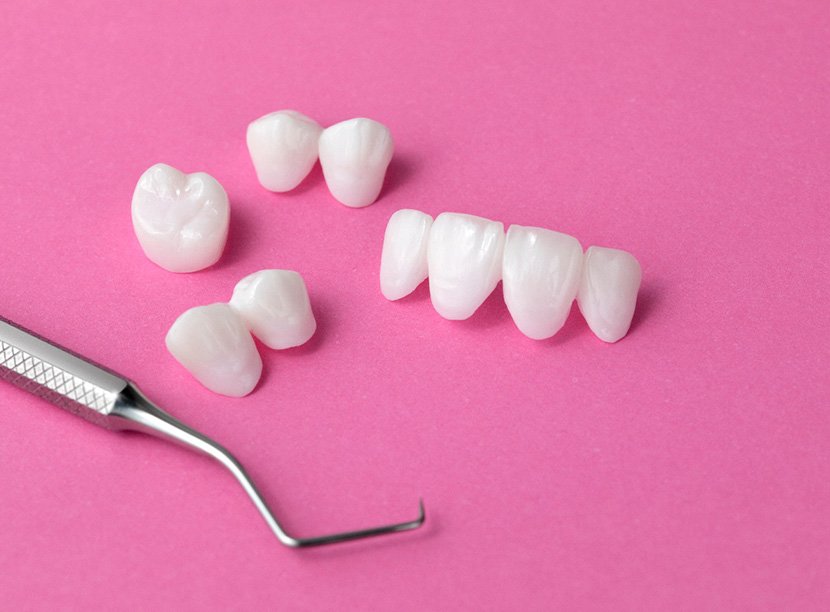
Why Choose Parks Family Dental for Dental Bridges?
- Beautiful, Natural-Looking Restorations
- Late Appointments Available
- Insurance Accepted
What is a Dental Bridge?

A dental bridge is a prosthetic that “bridges” the gap between missing teeth. It does this by anchoring to two healthy teeth, filling in any empty spaces with a replacement tooth that both looks and feels natural.
This not only improves the appearance of your smile by eliminating these gaps, but it also allows you to chew a wider variety of foods than you would have with missing teeth.
Types of Dental Bridges
There are two main types of dental bridges: traditional and implant. Here are the main differences between the two.
Traditional Dental Bridges
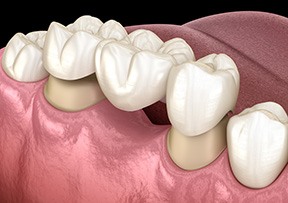
Traditional dental bridges are best for patients missing one or more teeth in a row. They anchor to the healthy teeth on both sides of the gap and are securely cemented into place.
Implant Bridge
An implant bridge is better for patients who are missing multiple teeth. They are attached to the jaw via a permanent dental implant post which allows for both greater biteforce and improved stability. They also last longer than traditional dental bridges because they are permanently affixed.
The Benefits of Getting a Dental Bridge
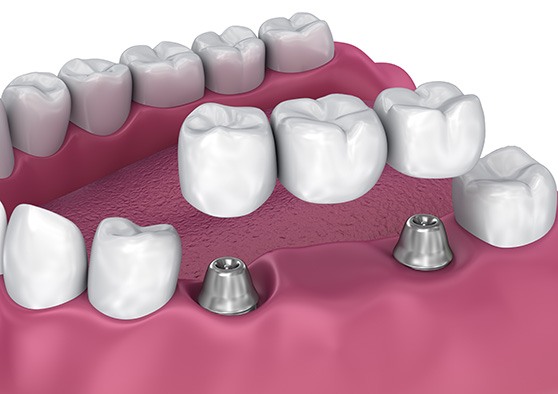
Dental bridges offer many benefits, both cosmetic and functional, including:
- Affordability
- Restored chewing capabilities
- Attractive and natural looking
- Protection from jawbone deterioration
- The ability to replace several teeth in a row
- Long lasting
- Prevention from future bite alignment issues
Don’t let missing permanent teeth stop you from enjoying the foods you love. Improve your smile, health, and self-esteem with the help of a dental bridge from Parks Family Dental.
Dental Bridges FAQs
Are Dental Bridges Removable?
Some patients have heard of partial dentures being referred to as “removable bridges”, leading them to question whether their dental bridge is meant to be taken out periodically. But this terminology is misleading, as the two are very different treatments.
Partial dentures are used to fill in gaps left by teeth that fell out sporadically, while your dental bridge is intended to replace one or a few that were lost consecutively. This restoration contains a dental crown at each end that anchors to healthy abutment teeth or dental implants to close the gap in your grin, and isn’t intended to come off once it’s cemented in place.
Does it Hurt to Get a Dental Bridge?
It’s natural to feel nervous about rebuilding your smile, and you might wonder whether getting a lifelike dental bridge will hurt. This treatment isn’t known for being particularly painful, but depending on your circumstances, we may need to remove a small amount of enamel from the abutment teeth that will be used to support your prosthetics.
Our team will apply a local anesthetic to numb your mouth before beginning this preparation, so you won’t have to worry about discomfort until the meds wear off. Then, you might feel sore or sensitive for a few days, but these symptoms usually resolve on their own and can be addressed with over-the-counter medications, such as acetaminophen or ibuprofen.
How Long Do Dental Bridges Usually Last?
Most people can expect their new teeth to remain in good shape for anywhere between 5 and 15+ years, but their longevity can depend significantly on your unique circumstances. Different factors that can potentially affect their lifespan include:
- Where your bridge is located in your mouth. Molars sustain more pressure during biting or chewing, which can damage or dislodge your prosthetic more quickly.
- Your oral hygiene habits. Brushing and flossing are essential to avoiding cavities and gum disease that might cause your restoration to fail.
- Other lifestyle considerations. Those who smoke, grind their teeth, bite their nails, or use their teeth as tools are more likely to sustain damage.
Can My Dental Bridge be Whitened?
Your dental bridge is made out of resilient, tooth-colored materials, such as ceramic, that are less porous than your enamel. That means it’s less likely to absorb pigmented particles that stain them.
But it’s not invincible, and consuming copious amounts of darkly colored foods and drinks can eventually leave it looking worse for wear. Unfortunately, topical bleach won’t affect this material like it does natural teeth, so your prosthetics can’t be whitened the same way. If you want to brighten your smile, it’s better to do it before getting a dental bridge so that your restoration can be matched to the upgraded hue.