
 Dental
Sleep Apnea Treatment – Lincoln, NE
Enjoy a Quality Night’s Rest Again
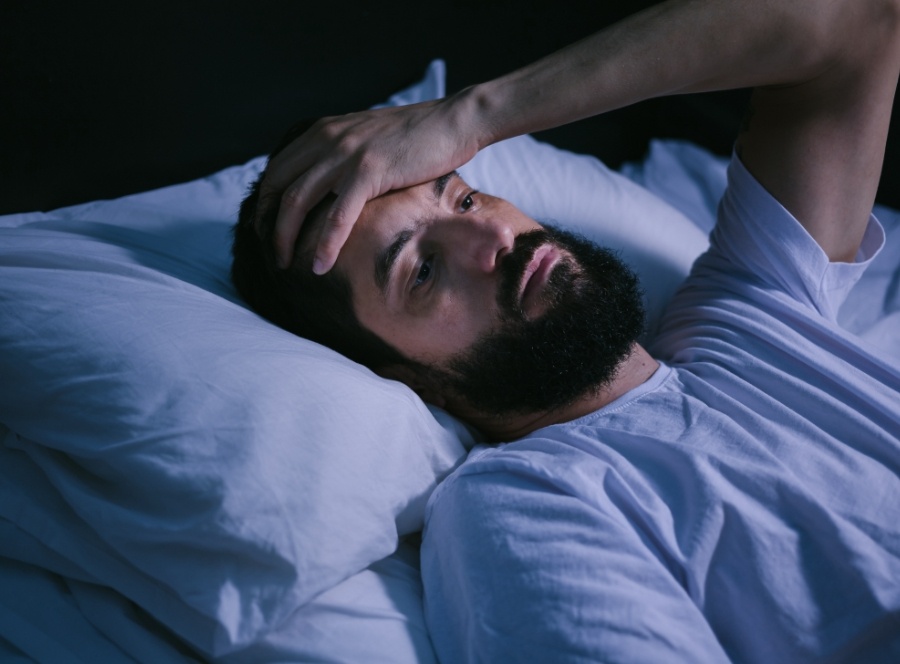
Does your partner often complain about your loud snoring? Do you constantly feel exhausted even when you get more than eight hours of sleep? These are common signs of obstructive sleep apnea, a serious sleep disorder that causes a person to temporarily stop breathing several times a night.
Luckily, you can find relief in an unlikely place: your dentist’s office! After all, dentists have extensive knowledge of the mouth and throat. Dr. Wesley Parks is proud to offer comfortable, non-invasive sleep apnea treatment in Lincoln, NE at Parks Family Dental. To finally enjoy a quality night’s rest again, please call us!
Why Choose Parks Family Dental for Sleep Apnea Treatment?
- Goop-Free Digital Dental Impressions
- Partnered with the Best Dental Labs in Lincoln
- Experienced Dentist with a Conservative Approach to Treatment
What Is Sleep Apnea?
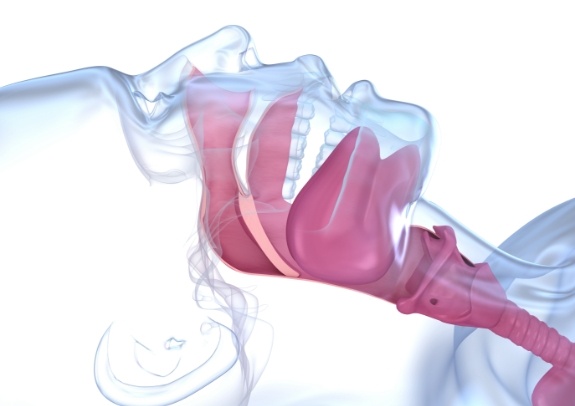
Obstructive sleep apnea – the most common form of the condition – occurs when the soft tissues in the mouth and throat collapse and block the airway during sleep. The brain then panics, briefly waking the person up so that they can breathe in the oxygen they need. These episodes are often so short that you don’t remember them, but they can happen dozens or even hundreds of times a night. As a result, they prevent you from reaching the deeper, more restful stages of sleep, which is why you may feel fatigued throughout the day despite apparently sleeping through the night.
How We Treat Sleep Apnea
If Dr. Parks believes that your case is serious, then he can refer you to a sleep physician. Oftentimes, though, he can treat a patient’s sleep apnea with a custom-made oral appliance called Silent Nite. When you wear this comfortable device to bed, it gently shifts your lower jaw forward, opening up the airway and preventing obstruction from soft tissues.
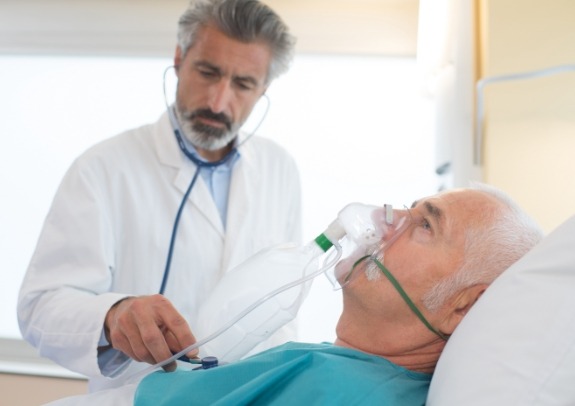
Oral appliance therapy is a much more convenient alternative to traditional sleep apnea treatments. For example, CPAP machines deliver a constant, gentle flow of air via a facial mask, but the machine can be large and loud, and the mask uncomfortable. In contrast, wearing an oral appliance is easy; just pop it in before bed and enjoy a good night’s sleep.
Sleep Apnea FAQs
Why Should I See a Dentist for Sleep Apnea Treatment?
There’s no one more qualified to treat conditions involving your teeth and jaw than a dentist like Dr. Parks. As a sleep apnea specialist in Lincoln, he has extensive knowledge of oral anatomy, including bite alignment and airways. He’s also completed hundreds of hours of advanced training in subjects like sleep appliances.
Using this expertise, he can design a custom oral appliance that gently repositions your jaw to keep your airway open at night. This will help you breathe easier and grant you more restorative sleep.
Will My Sleep Apnea Go Away If I Lose Weight?
Obesity is one of several risk factors for sleep apnea, and losing excess weight can sometimes reduce the severity of symptoms. However, it is not a guaranteed cure. Many people at a healthy weight still struggle with sleep apnea due to the shape of their airway, their jaw position, age-related changes, or family history.
This is why it’s important to see a professional to ensure that your treatment plan achieves the best results. During your consultation, Dr. Parks can evaluate your specific situation based on several criteria and recommend the best treatment for you. Regular exercise for weight loss could be a part of the plan, but your Silent Nite oral appliance will be the main focus.
How Soon After Starting Sleep Apnea Treatment Will I Notice Improvement?
If you’re looking for fast relief, you’ll be glad to know that many patients notice improvement within the first few nights of wearing Silent Nite. They often tell us they experience less snoring and fewer nighttime awakenings right away. However, there are others for whom changes may be more gradual as their body adjusts and sleep debt begins to resolve.
With a combination of good sleep hygiene and regular oral appliance wear, you may experience better daytime focus, more energy, and improved mood over several weeks. Once you have a follow-up visit with Dr. Parks, he’ll fine-tune your appliance and make sure it’s working as effectively as possible.
Are There At-Home Remedies for Sleep Apnea?
There’s no at-home cure that can reliably treat sleep apnea on its own, but healthy habits can elevate and support your professional treatment. Good sleep hygiene is the first area of improvement you should look into. This means avoiding screens before bed, keeping your bedroom cool and dark, and following a consistent sleep schedule.
Some patients use a diffuser with calming essential oils, like lavender or peppermint, to help them relax. Others find that side-sleeping instead of lying flat on their backs helps mitigate airway collapse. Though these strategies can certainly help, it’s important to always use them alongside your oral appliance, not as a replacement.